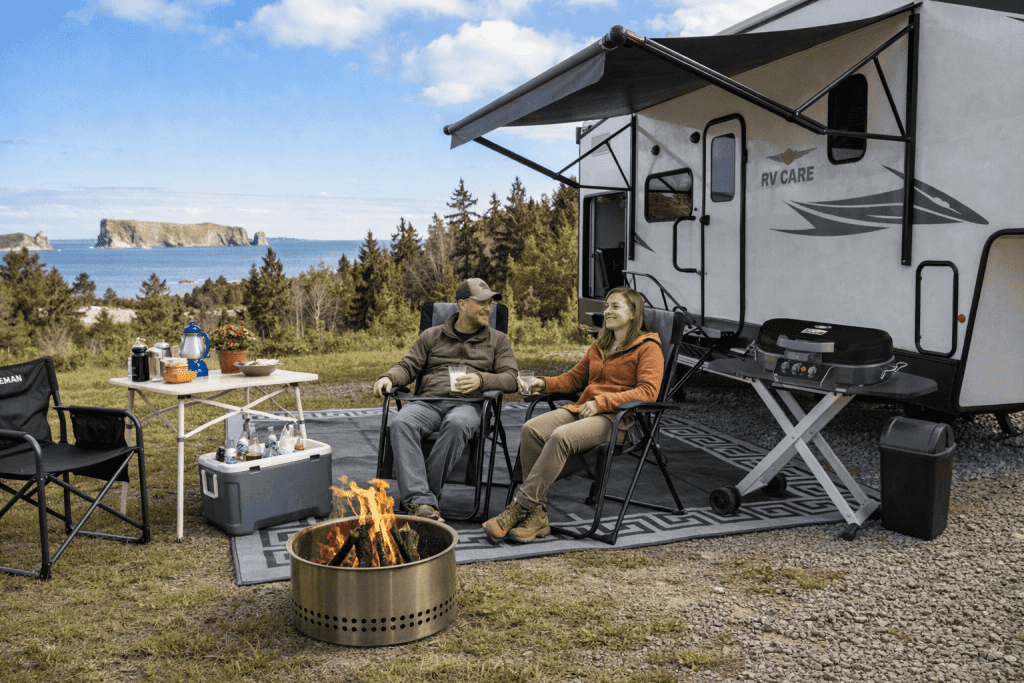
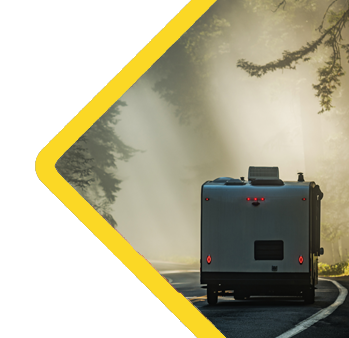
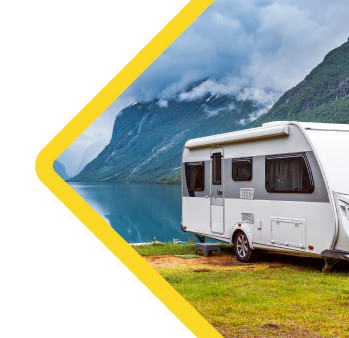
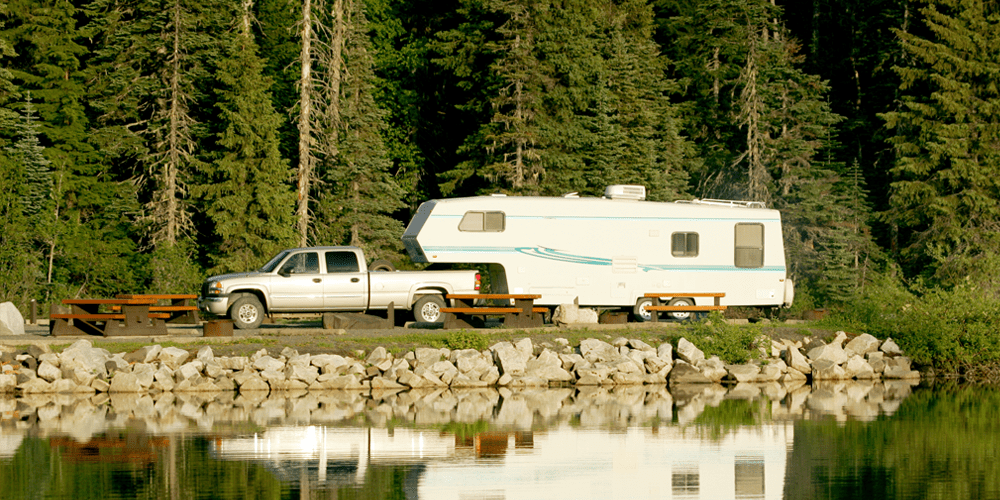
There’s a particular kind of magic that happens around 6 a.m. when you wake up in your RV, unzip the window, and realize your “campground” is actually a glassy lake with no one else in sight. No reservation. No $55 site fee. No neighbour’s generator. Just you, a French press, and a view most people pay a tour company to see.
Welcome to boondocking — and once you try it, regular campgrounds start to feel a little overrated.
So what is boondocking, exactly?
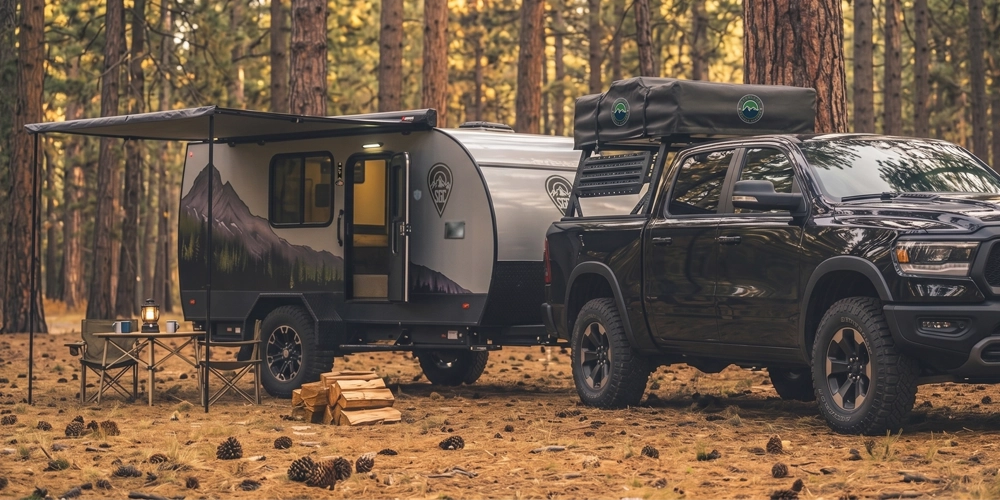
Boondocking (also called wild camping, dry camping, or freedom camping in Canada) means parking your RV overnight without electrical, water, or sewer hookups. You’re running entirely on your rig’s onboard systems — your battery, your fresh water tank, your propane.
It’s the cheapest way to RV in Canada and, honestly, often the most beautiful. About 89% of Canada is Crown Land, which means a staggering portion of one of the world’s biggest countries is technically available for public use. The catch? You have to know where to look, what’s legal, and how to keep yourself comfortable when there’s no power pedestal.
That’s what this guide is for.
The four main ways to boondock in Canada
1. Crown Land (the holy grail)
Crown Land is federal or provincial public land — the Canadian equivalent of BLM land in the U.S. Canadian residents can camp on Crown Land for free for up to 21 days at any one site per calendar year. Non-citizens generally need a permit, which varies in cost by province.
The trade-off: Crown Land sites are remote, unmarked, and often accessed via gravel logging roads that will rattle every screw in your rig. They’re worth it. Some of the most jaw-dropping spots in Canada — lakeside, mountain-rimmed, completely silent — are Crown Land sites that aren’t on any campground map.
Each province manages its own Crown Land, so check the relevant provincial government site (Ontario’s Crown Land Use Policy Atlas and BC’s iMap are the gold standards) before you go.
2. Recreation sites and non-operating parks
A step up from raw Crown Land. These provincial recreation sites typically have a fire ring, a picnic table, maybe an outhouse — but no hookups, no host, and no Wi-Fi. British Columbia is the country’s undisputed champion here, with hundreds of free or near-free recreation sites scattered across the mainland and Vancouver Island, run by the Ministry of Forests.
Most are free; a few charge a token fee of around $15. Either way, it’s the best dollar-per-view ratio you’ll find.
3. Highway rest areas and truck stops
Less romantic, more practical. Most provinces allow overnight stays at highway rest areas for up to 24 hours — they exist for driver safety, not vacation, but they’re invaluable when you’re crossing the country and just need to crash for the night. Many truck stops are RV-friendly too.
Always read the signs. “No Overnight Parking” means it.
4. Parking lots (Walmart, Cabela — the classics)
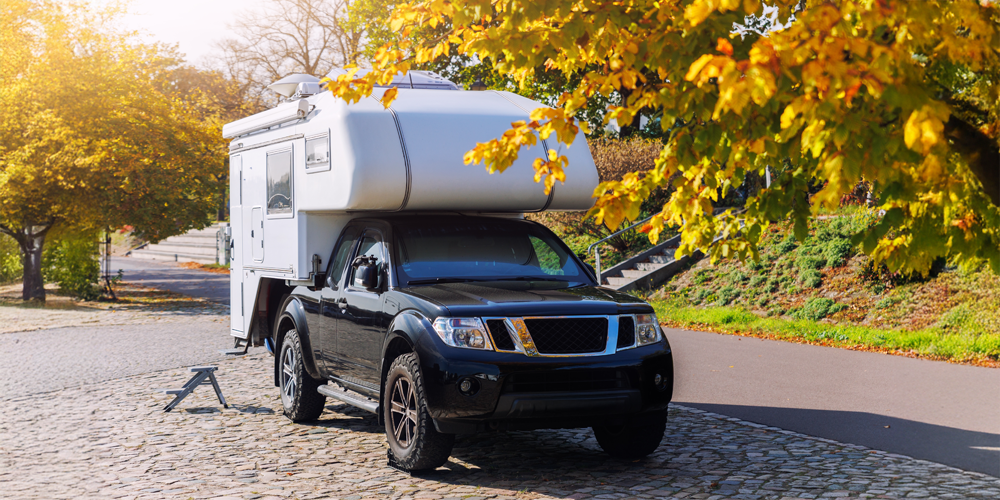
The OG boondocking move. Some big-box stores still allow it, many don’t anymore, and city bylaws vary wildly from town to town. Some municipalities cap how long an RV can sit on a residential street; others ban overnight parking entirely. RV-specific rules often aren’t posted on signs but are enforced — so a 30-second check on the city’s website saves you a 3 a.m. knock on the window.
Pro move: always ask the store manager. A two-minute conversation usually gets you a yes, or at least a clear no before you’ve already cooked dinner.
Five spots worth building a trip around
These come up again and again in Canadian boondocking circles, and they’re a good mix of accessible-for-beginners and genuinely-off-grid.
Stella Lake Recreation Area, Vancouver Island, BC — Northeast Vancouver Island, about 3.5 hours from Victoria. Toilets, picnic tables, a boat launch, and sandy beaches for swimming and kayaking. Far enough from the cities that you actually get the place to yourself.
Ghost Public Land Use Zone, Alberta — West of Calgary off Highway 1A, near Waiparous Creek. World-class accessible Crown Land in the Rocky Mountain foothills. Requires a free Public Land Camping Permit, but the Ghost is a near-religious experience for Calgary-based RVers.
Bighorn Country, Alberta — East of Banff and Jasper, where the same scenery costs you nothing instead of months-in-advance reservation chaos. Bring proper maps; cell service is patchy.
Athabasca Ranch PLUZ, Alberta — Just outside Jasper National Park, with a picnic shelter and pit toilets. Use it as a base camp when Jasper’s official sites are booked solid (which is most of summer).
Aubrey Falls Provincial Park, Ontario — A non-operating park about seven hours from Toronto with no facilities beyond a bathroom and picnic area. You can camp on side roads inside the park. Reward: dramatic waterfalls cascading over Canadian Shield bedrock and a lake full of trout.
The honest practical stuff no one tells you before their first trip
Power is your bottleneck, not water. A single 100Ah lithium battery and a 200W solar panel will keep two people in lights, phone charging, and a propane fridge for days. Add a small inverter if you want to make coffee with anything fancier than a moka pot.
The 70/30 rule for water. Plan to use about 70% of your fresh tank in the first half of your stay, leaving 30% as buffer. People consistently underestimate dish-washing water.
Have a backup spot mapped. That dreamy lakeside Crown Land site you saw on Instagram might be full, flooded, or behind a closed forestry gate. Always have a Plan B within 30 minutes.
Bears are real. Outside the cities, Canada is genuinely wild — bears, cougars, moose, the works. Lock all scented items (food, toothpaste, deodorant, sunscreen) inside your rig overnight. A cooler on the picnic table is a bear invitation.
Know your fires. Most of the provinces impose summer fire bans regularly, and the fines are eye-watering. A two-burner propane stove handles 95% of camp cooking and works during a ban — bring it as your primary, not your backup.
Leave No Trace, seriously. A growing number of formerly-free spots have been shut down to overnight camping because of garbage and human waste. Pack out everything. Bury human waste at least 15 cm deep, 70+ metres from water. Future RVers are counting on you.
The apps and tools that actually earn their keep
- iOverlander — crowd-sourced, brutally honest reviews of free spots worldwide
- Park4Night — tons of info (parking, camping, rest areas) for RV enthusiast
- FreeCampsites.net — tried and true; type in a location and get a list with GPS coordinates
- Gaia GPS with the Canadian Crown Land layer — about $40/year and worth every cent if you’re serious
- Backroad Mapbooks — old-school paper, one per province, indispensable for logging roads where your phone has no signal
- iMap (BC) and Ontario’s Crown Land Use Policy Atlas — the official sources for confirming a spot is actually legal before you commit
The real reason to do this
The money saved is great. The views are better. But the actual reason boondocking has become a cult thing for younger people is simpler: there’s no Wi-Fi password, no neighbour’s TV through the wall, no campground generator hour. Just you, the rig, and whatever you brought to do.
That’s the lifestyle. The free part is just a bonus.