
Boondocking: What It Is and Why You’ll Love It
What a weird word indeed! Makes you wonder where it came from, its etymology. Fact is you couldn’t make up a more unlikely origin story. Boondocks is the anglicization of the Talalog word bundók, which means mountain. It was absorbed into the English lexicon by the US military during the Philipine-American War (1899 - 1902).
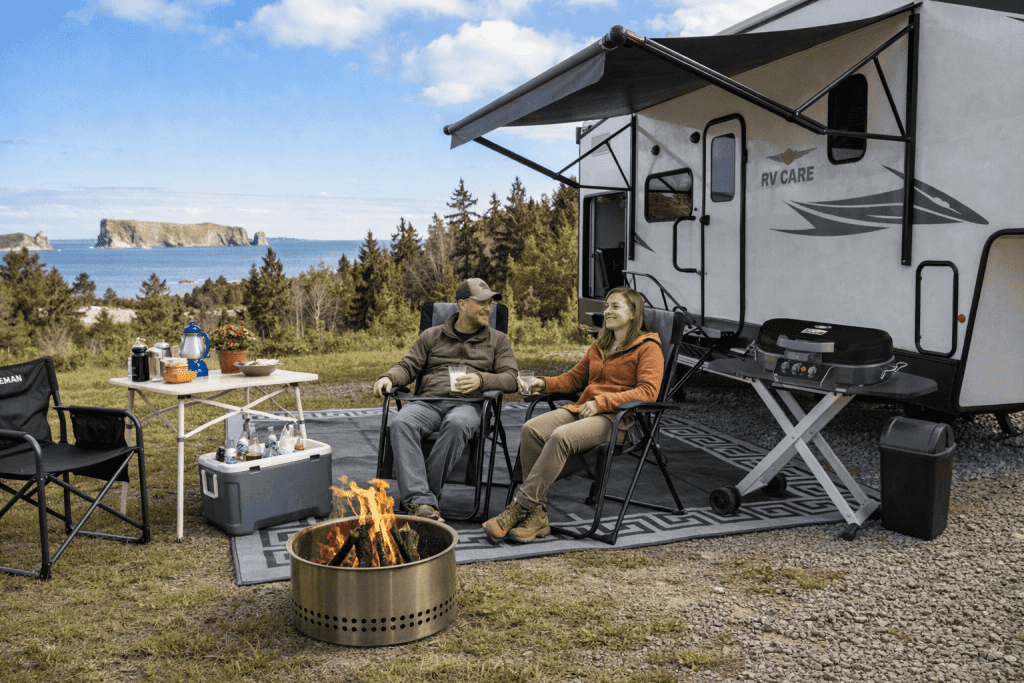
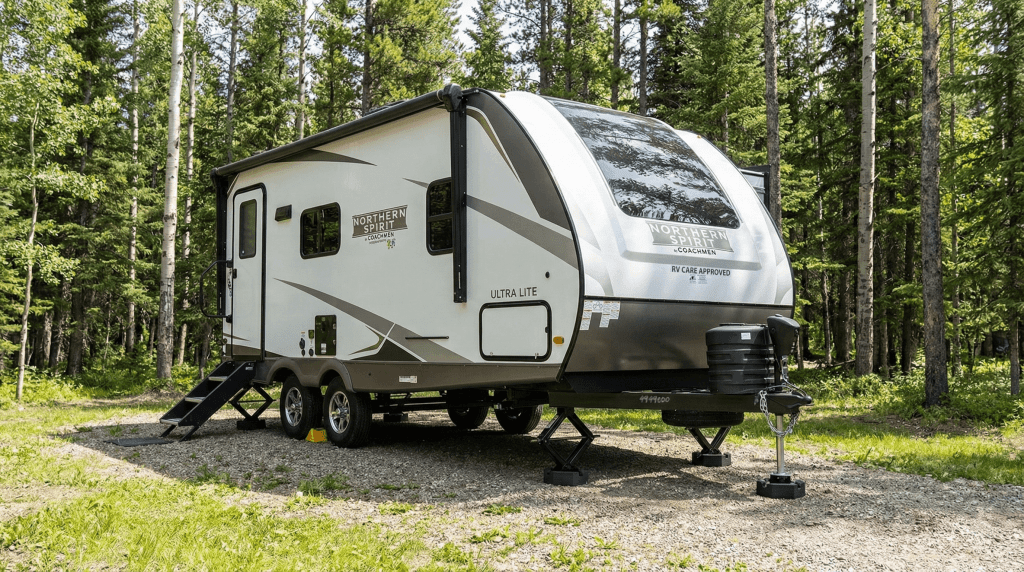
Today, the word “boondocks” or “boonies” is a common way to describe remote, rural areas, whereas “boondocking” is synonymous with off-grid camping. For RVers, that means camping in undeveloped areas without hookups to water, electricity, or sewer services.
You could say it’s RVing in its purest form, which brings us to the topic of this article. Let’s start with the joys and less-than-joyful aspects of boondocking, then how to best prepare your RV, especially through solar power.
The Advantages of Boondocking
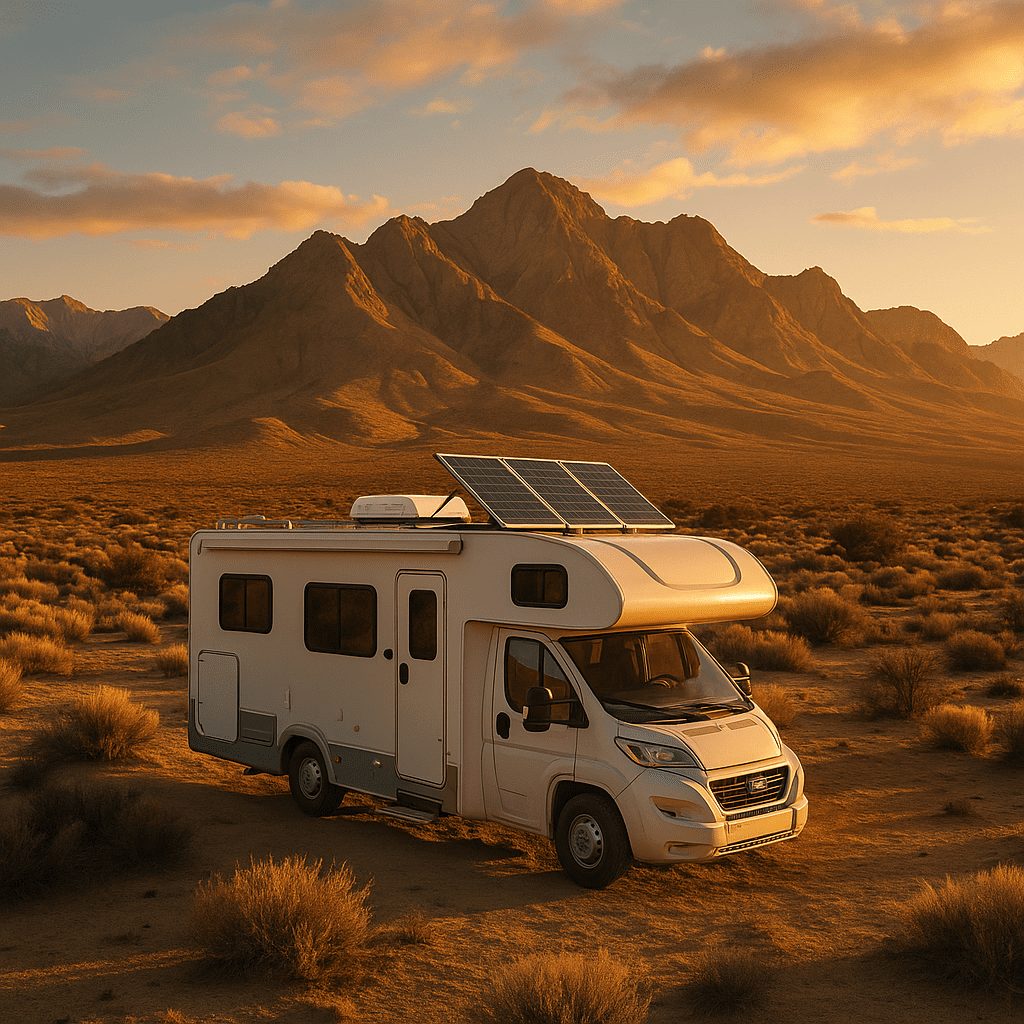
Boondocking is camping untethered to the usual water, sewage and electrical hookups, and even the traditional campground, allowing the adventurous RVer to freely explore remote locations. Other attractive benefits include:
- Camping on the cheap – Boondocking on public lands is generally free.
- Peace & quiet – Seeking remote locations means foregoing the crowds.
- A better view – Plunging deeper into the woods often means more and better scenic views.
Self-Sufficiency – Gain a sense of independence by relying on your own resources for power, water, and your wits.
Potential Hazards of Boondocking
OK, boondocking can be really cool, but it does have challenges:
- Limited Resources – No surprise here, without hookups, you’ll need to carefully manage water, power, and waste.
- Weather Conditions – Be prepared for anything – extreme heat, cold, storms, etc.
- Wildlife Encounters – By going off the beaten path it follows that you increase your chances of encountering critters of all shapes and sizes.
Getting Stuck – Unbeaten paths can be tricky for RVs, especially when there’s mud, sand, or snow.

Solar Power – True Energy Independence
Many ancient civilizations worshipped the sun. Perhaps they knew what we’ve long taken for granted: the sun is our ultimate life force. Fortunately, today we can harness solar power efficiently and at a relatively low cost.
Here’s how it works:
- Solar Panels – Convert sunlight into electricity.
- Charge Controller – Regulates the flow of electricity from the panels to your batteries to prevent overcharging.
- Battery Bank – Stores the energy for later use.
- Inverter – Converts DC power (from the batteries) into AC power to run household appliances.
Choosing the Right Batteries for Your Solar Setup
Regardless of how you RV, your vehicle requires deep-cycle batteries; however, boondockers with solar panels should make the extra investment in one of the first 2 batteries listed below:
- Lithium-Ion (LiFePO4) Batteries: Lightweight, long lifespan (10+ years), high efficiency, and deep discharge capability.
- AGM (Absorbed Glass Mat) Batteries: Maintenance-free, durable, and faster charging than traditional lead-acid batteries.
- Flooded Lead-Acid Batteries: Affordable but require regular maintenance and have a shorter lifespan.
Sizing Your Solar Panel System
Once you know your daily wattage consumption, calculate the solar panel capacity you will need to meet the demand:
- Determine Daily Solar Hours – Average sunlight hours vary depending on location (e.g., 5 peak sun hours per day).
- Calculate Panel Size – Divide your total daily Wh by sun hours.
- Example: 3,830Wh / 5 hours = 766W of solar panels needed
- Factor in Inefficiencies – Solar systems aren’t 100% efficient, so add about 20% more capacity.
- Final system size: 900–1,000W of solar panels
Final Tips for Successful Boondocking
- Monitor Energy Usage – Use a battery monitor to track power levels.
- Conserve Power – Switch to LED lighting, use energy-efficient appliances, and limit inverter use.
- Optimize Solar Panel Placement – Dust can seriously affect solar panel efficiency so keep your panels clean and position them directly towards the sunlight.
- Carry a Backup Generator – Unfortunately, the sun doesn’t always shine so have a small generator handy for cloudy days.
Boondocking with solar power allows you to freely travel to parts unknown off the grid without sacrificing comfort. Knowing your energy needs, using energy-efficient appliances and lighting and having the right configuration of solar panels, you can boldly venture into remote locations where most cannot tread without relying on RV parks or hookups. Happy boondocking!
Go further with Go Power, one of North America’s leading suppliers of solar power solutions and an RV Care-approved supplier. A selection of Go Power solar panels are also RVTC products so you benefit from valuable Extra Mile Rewards with purchase in store.
Contact a participating RV Care dealer and get started on your own energy-independence journey with RVTC Solar Panels made by Go Power, and RVTC batteries made by East Penn, plus enjoy the peace of mind of Extra Mile Rewards with your purchase.
Learn more about batteries and the right one for your style of camping.
Prefer shopping from the comfort of your home or your RV?
You can browse 1000+ RV essentials, including electrical supplies on shop.rvcare.ca.